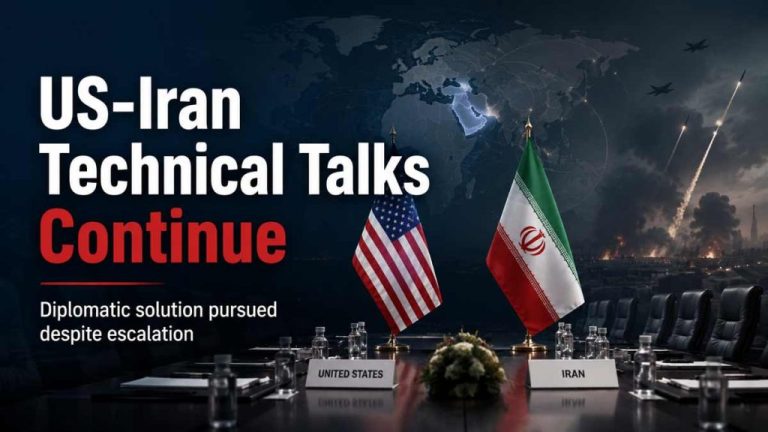
Doha/Beijing: Qatar and China have urged all parties to exercise restraint and pursue diplomacy as tensions between Iran and the United States intensify following renewed military exchanges in the Middle East.
The latest escalation has raised concerns that the fragile ceasefire between Washington and Tehran could collapse. According to international reports, the United States launched strikes on Iranian targets after accusing Tehran of attacks on commercial vessels in the Strait of Hormuz. Iran later responded by targeting US military facilities in Bahrain and Kuwait.
Qatar strongly condemned the reported missile and drone attacks on Bahrain and Kuwait, describing them as violations of the sovereignty of both Gulf states and a breach of international law.
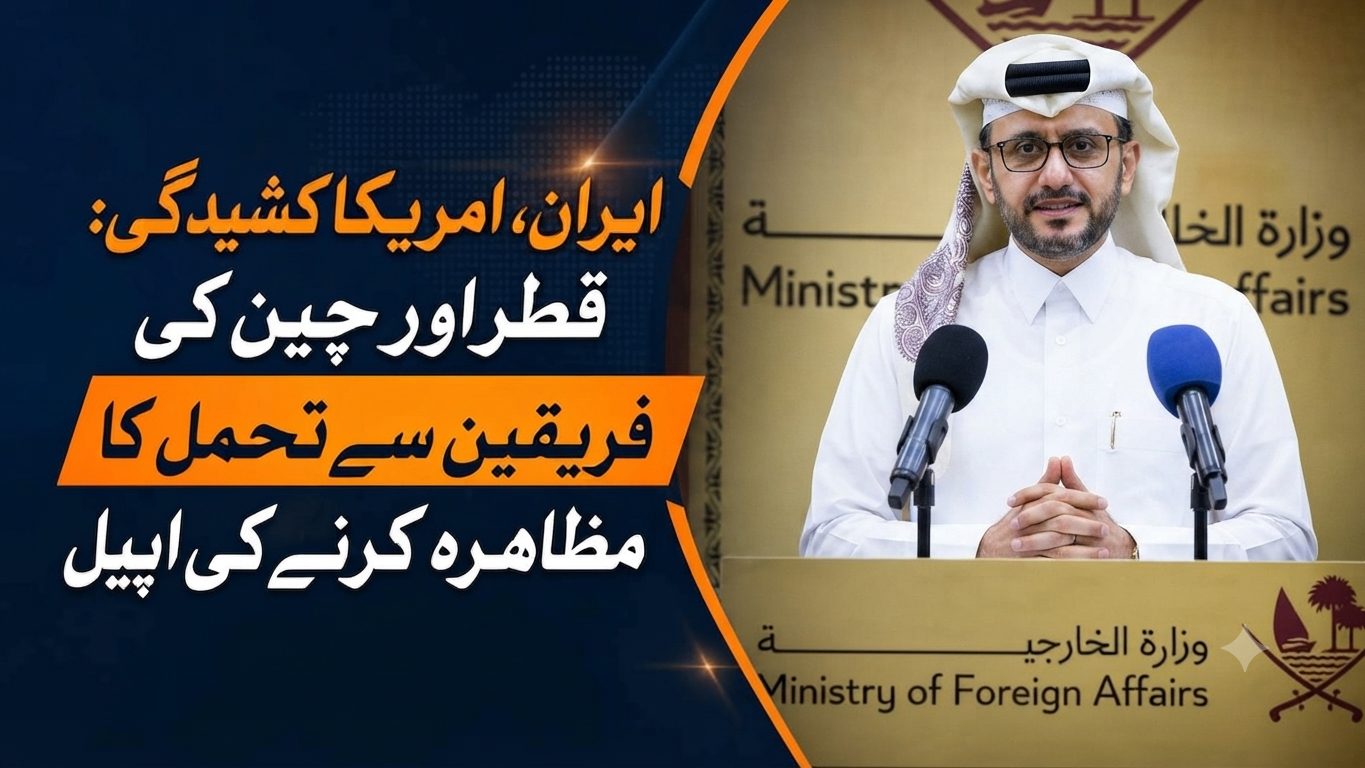
In a statement, Qatar’s Ministry of Foreign Affairs said the region must be protected from further escalation and called for continued dialogue, diplomacy, and efforts to reduce tensions. The ministry also emphasized the importance of advancing discussions under the existing memorandum of understanding aimed at improving regional and international security.
Qatar expressed full solidarity with Bahrain and Kuwait and supported measures taken by both countries to safeguard their sovereignty and national security.
China urges de-escalation
China also renewed its call for calm and political dialogue.
Speaking at a Foreign Ministry briefing, Chinese spokesperson Mao Ning said the ongoing conflict had caused loss of life, damaged regional stability, and created risks for the global economy and energy security.
“Prolonging or escalating the conflict serves no party’s interests,” she said, urging all sides to support de-escalation and peace negotiations.
Beijing has consistently maintained that diplomatic engagement and negotiations are the best way to prevent a broader regional conflict.
Concerns over wider conflict
The appeals from Qatar and China come as fears grow over a wider Middle East confrontation.
US President Donald Trump has reportedly said he believes the interim agreement with Iran is “over,” although he indicated that negotiations could still continue. Earlier reports suggested the temporary arrangement had created a 60-day window for efforts toward a longer-term settlement.
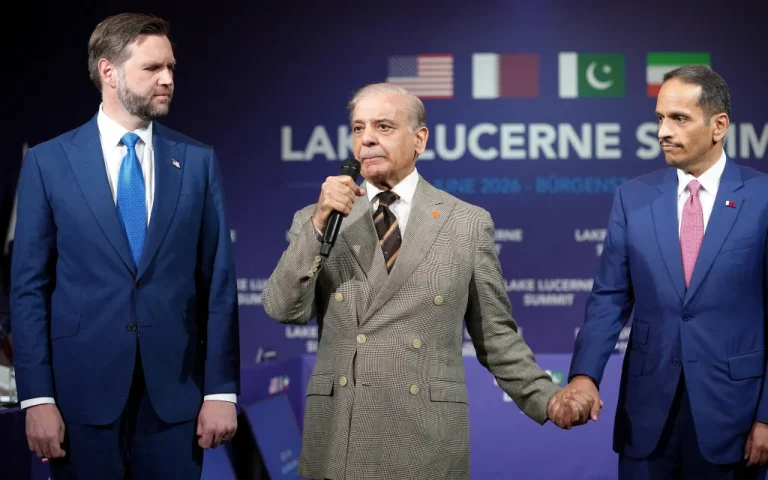
The renewed exchange of strikes has increased uncertainty over the future of diplomatic initiatives involving regional mediators. Qatar has been actively engaged in mediation efforts, while Pakistan has also been linked to earlier efforts aimed at facilitating dialogue between Washington and Tehran.
Analysts warn that continued military escalation could threaten regional stability, disrupt energy markets, and complicate ongoing diplomatic efforts to prevent a broader conflict.
About the Author